- Home
- Demo

Bonus on Deposit +500%
Get up to +500% of your deposit on casino bonuses and betting accounts
Get a BonusCasinos with cashback up to 30%
Take cashbackTower Rush Demo Slot Gameplay and Features Explained
Play at least 200 rounds in free mode at the smallest stake before you switch to cash – that habit reveals the tower-building math faster than any paytable study. Each completed floor lifts the win coefficient, and a single misplaced block ends the round, so pacing matters more than stake size. Expect a return to player around 96.20%, medium-high variance, and a stake range of €0.10 to €100 per round.
| Casino name | Tower rush demo |
| License | Curaçao Gaming License No. 8048/JAZ2024-0117 |
| Launch date | March 2021 |
| Payment methods | Visa, Mastercard, Skrill, Neteller, Trustly, Apple Pay |
| Number of games | 3,850 |
| Minimum deposit | €10 |
| Minimum withdrawal | €20 |
| Welcome bonus | €500 + 200 free spins |
| Account verification | ID document, proof of address, payment method screenshot |
| Regulator | Curaçao Gaming Control Board |
Bankroll planning and bet sizing
Hold each stake at 0.5–1% of your session balance, which means €1 rounds on a €150 bankroll and €0.20 rounds on €40. The tower rush demo game gives you a risk-free way to measure how often the build collapses below the fourth floor, and most players see that happen in roughly one round out of three. Because the pace runs near 9 rounds per minute, a 30-minute session burns through about 270 stakes, so cap your loss limit at 40% of the deposit and cash out once you double it.
Mechanics that shape payouts
Stacked wilds substitute across the tower grid and lock the current floor in place, while three scatters open a bonus build with progressive multipliers that climb from x2 to x50. A short tower rush demo run shows how rarely the top tier appears – budget for long dry stretches rather than steady returns. Set autoplay stop conditions at the win limit you actually want, since manual play tends to drag sessions past sensible limits.
Casino terms, bonuses and payouts
Deposits land instantly on cards and e-wallets, while withdrawals clear in 2–12 hours after KYC approval, with card payouts occasionally stretching to three banking days. Promo codes arrive by email each Friday and usually carry 35x wagering with a €5 maximum bet during rollover. Support answers live chat in under two minutes, and the same team covers questions about tower rush demo play, deposit limits, and self-exclusion settings. Verification finishes within 24 hours if your documents are readable and the name matches your payment method, so upload them before the first cashout request rather than after.
Titles worth testing alongside
Try the tower rush game demo first, then compare the numbers below to see which volatility profile suits your balance. Games with live dealers sit in a separate lobby if you want a slower tempo between building sessions.
| Slot | RTP | Description |
|---|---|---|
| Tower Rush | 96.20% | Floor-by-floor builder with rising coefficients and instant cashout button. |
| Sky Builder Deluxe | 96.45% | Six-reel construction theme with expanding symbols and 20 bonus rounds. |
| Crane Fortune | 95.80% | High-variance grid slot paying on clusters of eight or more matching bricks. |
| Steel Peak Megaways | 96.10% | Up to 117,649 ways with cascading wins and a buy-feature at 80x stake. |
| Foreman's Bonus Shift | 96.65% | Low-volatility five-reel title with frequent small hits and a hold-and-win grid. |
Tower Rush Demo: Complete Guide to Free Play, Features and Strategy
Set your cash-out target before the first tower block appears – that single habit separates disciplined sessions from impulsive ones. Variance management sits at the heart of this crash-style title, and free mode is where you rehearse it without spending a cent. Run twenty rounds at a fixed exit point, log the results, and you will see exactly how often the tower collapses before your chosen multiplier.
Because payouts scale as the structure climbs, the risk profile shifts with every level you refuse to bank. A tower rush demo play session gives you the sandbox to test that curve honestly, since balances reset and emotions stay flat. Treat the practice balance as if it were real money; otherwise the data you gather tells you nothing useful about your own discipline.
Building a Variance Plan That Survives Real Stakes
Split your bankroll into at least 40 units and never stake more than one unit per round. Low exit points around 1.4x–1.7x produce frequent small wins and shallow drawdowns, while targets above 5x can drain fifteen units in a row before a single hit lands. The tower rush game demo lets you measure that drawdown depth precisely, and the number you find should dictate your session size, not the other way round.
- Two-tier exits: bank half the stake early, let the rest ride two levels higher.
- Loss ceilings: stop after eight consecutive collapses, regardless of how close each felt.
- Session clocks: 25-minute blocks keep fatigue from stretching your risk tolerance.
- Flat staking: resist doubling after a loss; the collapse point does not remember your last round.
Reading Feature Behaviour Before You Deposit
Practice rounds also reveal how bonus elements interact with your exit plan. Random boosts, occasional free spins style extra rounds, and stacked multipliers all lengthen the tail of the payout distribution, which means your average return arrives in fewer, bigger chunks. A tower rush demo run of 100 rounds usually shows enough of these triggers to estimate their frequency, though the sample stays small by design.
Keep the technical numbers in perspective: a mid-to-high volatility setting with a modest minimum bet suits gradual bankroll building far better than chasing peak levels. Players moving between crash titles, slot reels with wilds and scatters, and tables staffed by live dealers should recalibrate each time, since bankroll rules rarely transfer cleanly across formats.
Turning Practice Into Consistent Play
Write down three rules before switching to cash: your exit multiplier, your unit size, and your walk-away figure. Revisit the tower rush demo game whenever you feel tempted to abandon those rules, because testing a new idea costs nothing there. Consistency beats intuition in every high-variance format, and the practice mode remains the cheapest place to prove that to yourself.

Tower Rush Demo vs. the Full Version: What Actually Changes
Treat the demo as a feature lab, not a money machine: load it, set the same stake you would use with real funds, and spend 200–300 spins studying how the bonus rounds trigger. The tower rush game demo runs on identical math to the cash mode, so trigger frequency, symbol weighting and payout tables behave the same way. The single difference that matters is the balance – virtual credits reset on refresh, and nothing you win can be withdrawn.
Because the credits are fake, most players click through the feature buys and special rounds far too quickly. That is the wrong habit. A structured tower rush demo run lets you record how often the tower-building sequence completes, what happens when a level collapses mid-round, and how the collection meter carries over between spins – information that costs real money to gather in the paid version.
Feature Mechanics Worth Testing Before You Fund an Account
Bonus rounds are where the difference between casual clicking and informed play shows up. Use tower rush demo play to map each feature stage in order, then compare your notes against what the paytable claims. Track these specifics:
- Trigger conditions: how many scatters land the bonus, and whether partial triggers award a retry or a consolation payout.
- Round length: the number of free spins awarded on the base trigger versus any extensions earned inside the feature.
- Meter behaviour: whether progress carries between rounds or resets when the tower falls, since this changes how long a session needs to be.
- Symbol upgrades: when wilds expand, stick or transform during the feature, and which reels they can occupy.
- Value stacking: whether multipliers add together, replace one another, or apply only to the final level of the tower.
Write those answers down before switching modes. In the paid version the same sequences appear, but your decisions now carry a cost – a mistimed feature purchase or an oversized stake during a long dry stretch drains a bankroll fast. The demo also strips out anything tied to your account: no wagering contributions, no loyalty points, no bonus balance movement, and no access to tables staffed by live dealers, which never offer a practice mode for obvious reasons.
One more practical distinction: a tower rush demo game usually opens without registration, so casinos cannot attach promotional credits to it. If a welcome offer or reload bonus lists this title as eligible, the wagering only counts once you play with deposited funds. Check the contribution percentage in the promo terms first, confirm your identity documents are already approved, and only then move from practice credits to a funded session – that order keeps withdrawals quick and removes the most common payout delay entirely.
Launching Tower Rush in Free Mode Without an Account
Open the game tile, click the "Demo" or "Play for fun" button, and the grid loads with virtual credits – no email, no password, no deposit form. Practice balances usually reset to between 1,000 and 5,000 fun coins, and refreshing the browser tab restores that stack instantly. One tower rush demo run costs nothing, so you can trigger the same feature twenty times in a row and still walk away with an untouched wallet.
Keep in mind that free mode covers machine-based titles only; tables with live dealers always stream in real money format, so they never appear in practice lobbies. Everything else stays identical to the cash version: symbol weights, paytable values, hit frequency, and the way bonus rounds unlock. That makes a tower rush demo game the cleanest way to learn feature mechanics before you decide whether the title deserves a funded session.
Feature mechanics worth testing before you deposit
Spend your practice credits deliberately rather than mashing autoplay. Focus each stretch of spins on one mechanic and note how often it fires:
- Tower build-up rounds – count how many stacked blocks appear before the collapse trigger, and whether partial towers carry over to the next spin.
- Bonus entry – track how many scatters land on average per 100 spins and which reels they favour.
- Free spins behaviour – check whether retriggers exist, how many extra rounds they add, and if the tower height resets between them.
- Expanding wilds – watch which positions they occupy and how often they complete a full line rather than a partial one.
- Progressive multipliers – record the ceiling value and how many consecutive wins you need to reach it.
Log those numbers in a notes app for two or three sittings. After roughly 300 practice spins you will see a clear rhythm: long quiet stretches broken by concentrated feature clusters, which is standard for a high-variance build-and-collapse title. A tower rush demo play stretch of that length also shows you the realistic gap between base game payouts and bonus round payouts, usually a difference of several hundred percent per triggered feature.
Once the mechanics feel familiar, compare the demo stake settings with the real-money table before switching over. Practice mode often defaults to a mid-range bet that would be far above your usual line stake, which distorts how generous the bonus rounds look. Reduce the demo bet to match the amount you would actually wager, run another block of spins, and judge the feature payouts on that scale. A tower rush game demo handled this way gives you an honest preview of session length, bankroll drain, and how patient you need to be between bonus triggers – all before a single coin leaves your account.
Core Mechanics and Rules You Learn in the Tower Rush Demo Game
Set your bet at the smallest available step and complete at least twenty rounds before touching the feature buy button – that single habit teaches you more about the bonus round than any paytable ever will. The demo version hands you a practice balance, so every trigger, every stalled tower, and every collapse costs nothing while your instincts sharpen.
This walkthrough sticks to one thing: feature mechanics. Base-game spins are simply the runway; the real ruleset lives inside the bonus stage, where tower levels stack, symbols lock, and the round either climbs or ends. Learning how that stage behaves separates casual clicking from confident play at a real-money table.
How the Bonus Round Actually Triggers and Resolves
Three qualifying symbols land on the reels and the tower stage opens. From there, the rules follow a build-and-hold pattern: each successful level adds a floor, unsuccessful attempts reset the counter, and the round closes when no new floor appears. During a tower rush demo run you will notice the stage keeps a memory of collected levels, so tracking how deep the average climb goes gives you a realistic picture of the feature's ceiling.
- Trigger check: count how many spins pass between activations across 100 rounds.
- Level cap: note the highest floor you reach and how often the top tier appears.
- Symbol behaviour: watch which icons expand or stick once the stage begins.
- Retrigger rules: confirm whether extra symbols extend the stage or add floors instead.
- Exit condition: record what ends the round – a miss, a timer, or a fixed spin count.
Symbols That Change the Maths Inside the Stage
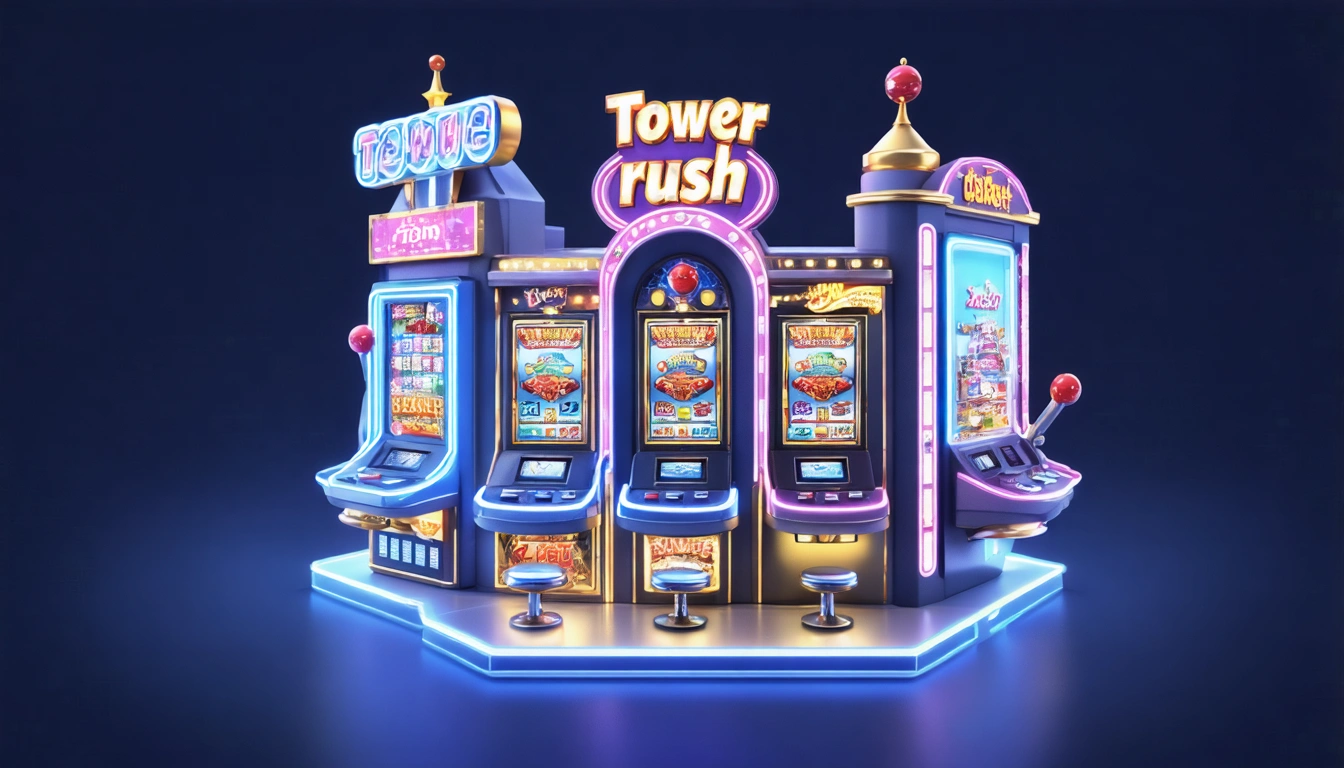
Wilds substitute across the tower grid and often carry the round further than raw luck alone, while scatters govern entry and any extension. The upper floors typically attach multipliers that grow with each completed level, which is exactly why bailing out early on a real bankroll feels wasteful. Free spins may sit alongside the tower stage as a secondary reward, and the tower rush game demo lets you compare which path pays more consistently before you commit cash at a casino.
Turning Practice Data Into Real-Money Decisions
Write down your results. Twenty sessions of tower rush demo play produce enough data to estimate how many base spins your bankroll needs to survive between feature hits, and that number should shape your stake size once you switch to funded rounds. Medium-high volatility means long quiet stretches, so a bet of 1% of your session balance keeps you in the game long enough to reach the stage.
Casinos usually let bonus funds cover this title, though feature-buy purchases are frequently excluded from wagering – check the promo terms before you activate anything. Practising through the tower rush game demo play mode costs nothing, carries no wagering conditions, and lets you test how the tower behaves after a cold streak. Live dealers run a different rhythm entirely, so treat this as its own discipline: study the feature, log the outcomes, then decide your stake with numbers rather than hope.
Your First Tower Rush Demo Run: A Step-by-Step Feature Walkthrough
Open the free version, set the bet slider to its lowest step, and spin at least 50 rounds before touching anything else – that single habit shows you how the bonus mechanics trigger without burning through your practice balance. The tower rush demo game loads with the same math model as the real-money build, so every feature sequence you see in practice mode behaves identically once you switch over.
Watch the grid during those opening spins and note which symbols build the tower. Most players miss the fact that the climb meter fills only on qualifying landings, not on every spin. Track three or four fills during a single tower rush demo run and you will already recognise the rhythm of the feature – how many base spins usually separate one trigger from the next, and how much the meter resets after a completed climb.
Walking Through the Bonus Round Sequence
Once the meter fills, the game shifts into its feature mode. Here is the order of events to follow on your screen, step by step, during your first tower rush demo play:
- Trigger stage: three or more scatters land and lock the tower base in place, freezing the reels for a short animation.
- Selection stage: you pick a floor level; each level assigns a different combination of free spins and reel modifiers before the round begins.
- Climb stage: every winning combination pushes the tower one floor higher, and expanding wilds stick to the centre reels for the remainder of the round.
- Escalation stage: multipliers attached to each completed floor stack rather than replace one another, which is where the round's biggest returns build up.
- Collapse or collect: a non-winning spin ends the sequence and pays out the accumulated total; the meter then empties and base play resumes.
Replay that sequence five or six times and record which floor selection gives you the longest average climb. Practice mode lets you test the aggressive high-floor option and the safer low-floor option side by side at zero cost, something you cannot do responsibly with a funded account. Keep a simple note of trigger frequency and average feature payout – those two numbers tell you far more about the game than the paytable does. If your casino account also gives you access to live dealers tables, treat this practice session as a separate exercise entirely, since the pacing and decision points share nothing in common.
Finish your session by repeating the whole loop at a slightly higher stake to confirm the feature behaves the same way at every bet level. A tower rush game demo play run of roughly 200 spins gives you a workable sample: enough triggers to judge the climb mechanic, short enough to stay focused. Once the sequence feels predictable, you are ready to decide whether the feature suits your preferred pace before committing real funds.
Q&A:
What is the Tower rush demo?
It is a free practice version of the tower-building arcade title, where you stack blocks and climb as high as your timing allows. Nothing is wagered and no balance is spent, so every attempt costs you only your attention. The rules, visuals and pace match the paid mode almost exactly.
Do I need to register to try it?
Most sites load the trial straight in the browser without an account or deposit form. You simply open the page and the tower rush demo game starts within a few seconds. If a casino does ask for a login, the fun-mode button usually still works after a quick sign-in.
How does a single round work?
Blocks slide back and forth across the screen and you tap or click to drop them onto the stack below. Accurate drops keep the tower wide, while sloppy ones shave off the overhang and narrow your platform. Once the block misses the stack completely, the round closes and your height is recorded.
Can I win real money in fun mode?
No, the credits shown on screen carry no cash value and cannot be withdrawn. Any multiplier you reach during a tower rush demo run is purely a score for your own reference. Real payouts require switching to the paid version with a funded account.
How many practice credits do I get?
Trial balances typically reset to a fixed amount such as 1000 or 5000 units each time the page reloads. If you burn through them, refreshing the browser restores the full stack. That makes long practice sessions possible without any interruption.

